FDM vs SLA 3D Printing: Which Should You Choose for Your Project in 2026? – A UK Guide
Introduction
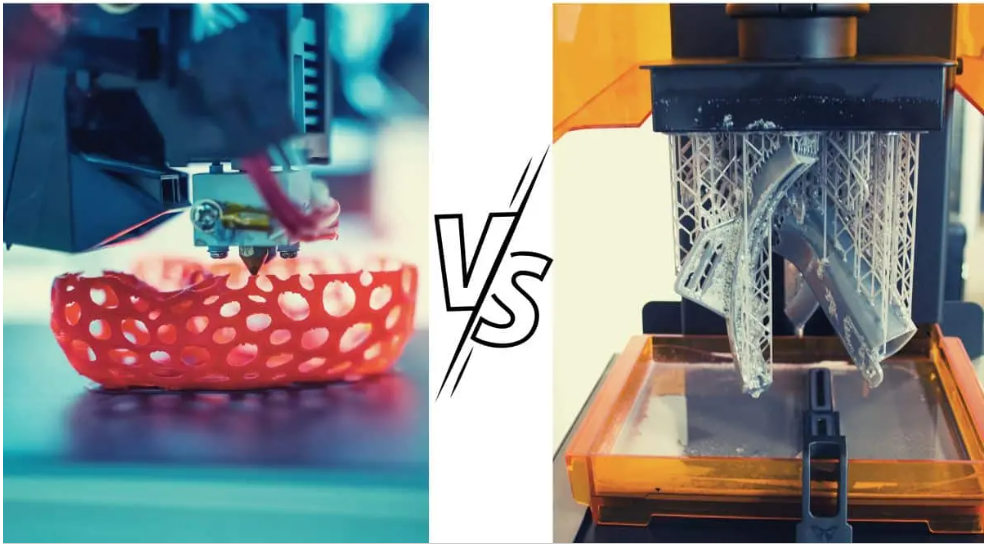
When uploading your model for a 3D print quote, one of the first decisions you’ll face is: FDM or SLA?
Both are excellent additive manufacturing technologies, but they excel at different things. Choosing the right one can mean the difference between a strong, functional part and a beautifully detailed showpiece — or wasting time and money on the wrong process.
At MORSH 3D, we offer both FDM (Fused Deposition Modelling) and SLA (Stereolithography / Resin) printing. In this guide, we’ll break down the real-world differences so you can make the best choice for your project, whether you’re a cosplayer, tabletop gamer, product designer, or engineer in the UK.
What is FDM 3D Printing?
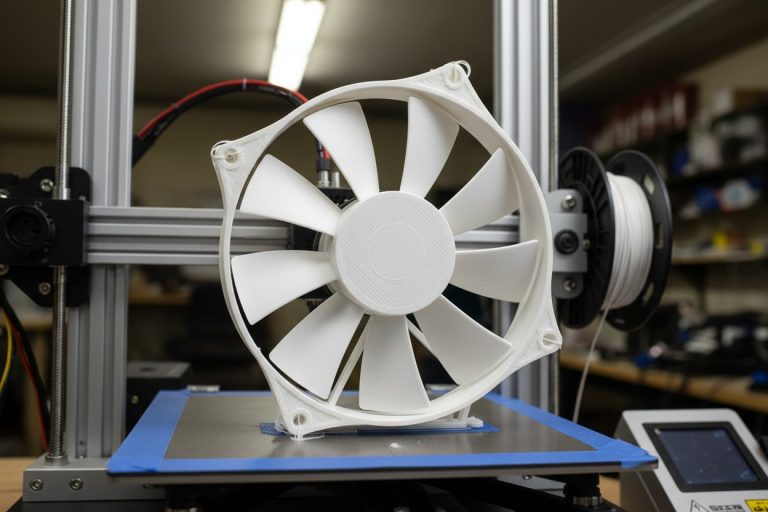
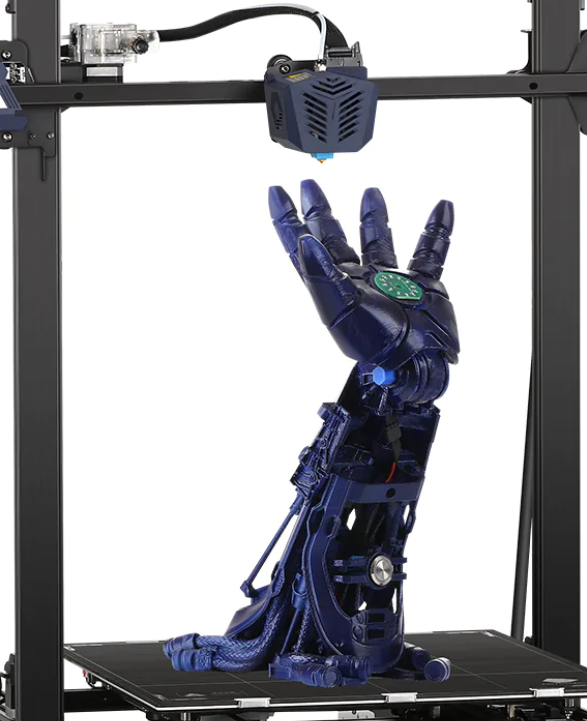
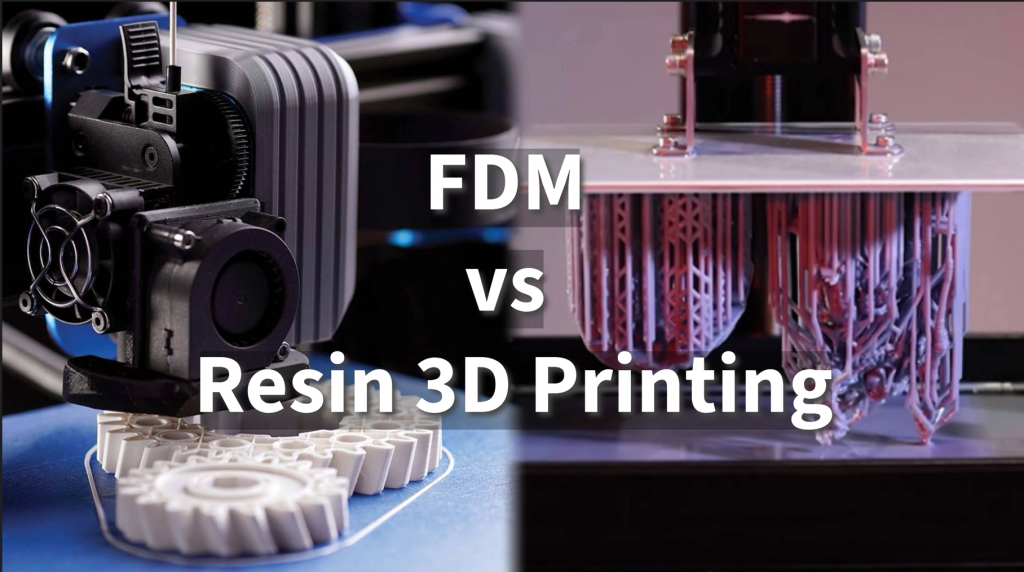
FDM is the most common 3D printing technology. It works by melting plastic filament and extruding it layer by layer to build your part.
Strengths of FDM:
- Excellent strength and durability — ideal for functional parts
- Wide range of materials (PLA, PETG, ABS, Nylon, TPU, etc.)
- Larger build volumes — great for bigger props or enclosures
- More affordable for larger parts and higher quantities
- Easier post-processing for painting and sanding in many cases
Best for:
- Cosplay armour and large props
- Functional prototypes and engineering parts
- Tooling, jigs, fixtures, and mechanical components
- Model aircraft, drone parts, and railway models
- Anything that needs to withstand impact or heat (with the right material)
What is SLA 3D Printing?
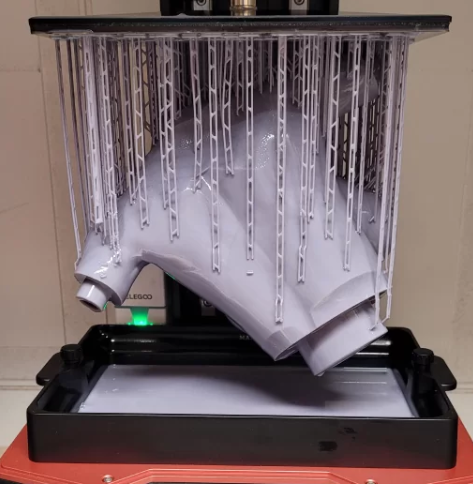
SLA (also called resin printing) uses a UV light source to cure liquid resin layer by layer. It produces parts with exceptionally fine detail.
Strengths of SLA:
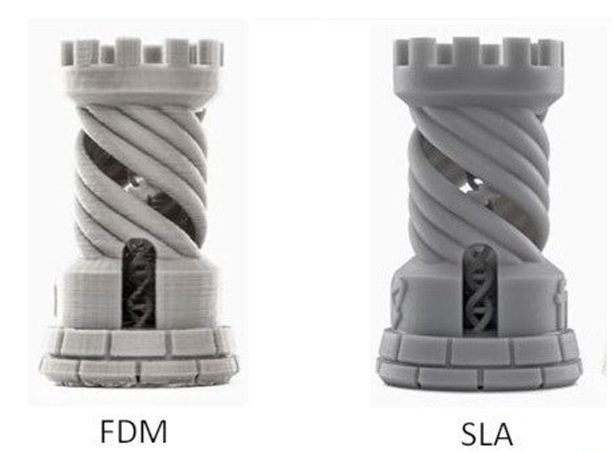
- Superior surface finish — almost injection-moulded quality straight off the printer
- Extremely high detail and accuracy — perfect for intricate designs
- Smooth surfaces that require minimal sanding
- Excellent for capturing fine textures and small features
Best for:
- Warhammer, D&D, and tabletop miniatures
- Highly detailed cosplay accessories and jewellery
- Display models and architectural prototypes
- Small, precise prototypes where aesthetics matter
- Parts with tight tolerances or complex internal geometries
Head-to-Head Comparison: FDM vs SLA (2026)
| Aspect | FDM (Filament) | SLA (Resin) |
|---|---|---|
| Detail & Resolution | Good | Excellent |
| Surface Finish | Visible layer lines | Smooth, near injection-moulded |
| Strength & Durability | Very strong (especially PETG/ABS) | Brittle unless using tough resins |
| Build Speed | Faster for larger parts | Slower, especially for big builds |
| Cost | Generally cheaper per volume | Higher material cost |
| Max Part Size | Larger build volumes | Usually smaller |
| Post-Processing | Sanding, filling, painting | Washing + curing + support removal |
| Best Applications | Functional & large parts | High-detail miniatures & display pieces |
Real-World Recommendations from MORSH 3D
- Cosplay Props & Armour → Start with FDM in PETG for durability and heat resistance. Many cosplayers use PETG because it’s tougher than PLA and won’t deform in a hot car, during sanding or under stage lights.
- Warhammer & Tabletop Miniatures → SLA Resin is usually the winner for crisp details and smooth surfaces that paint beautifully.
- Functional Prototypes & Engineering → FDM with engineering filaments (Nylon, Carbon Fibre reinforced, etc.) for real-world testing.
- Display Models or Architectural Work → SLA for that premium smooth finish.
- Small Batch Production (up to 1000 units) → FDM is often more economical and scalable, however SLA may be more cost effective when printing multiple low profile items on a single print plate.
Pro Tip: Sometimes the best solution is a hybrid approach — print the main structure in FDM and detailed elements in SLA, then assemble them.
Why Choose MORSH 3D for Both Technologies?
We don’t force you into one technology. Our instant online quoting system lets you see pricing for both FDM and SLA options side-by-side, so you can make an informed decision based on your priorities (detail, strength, budget, or speed).
Additional benefits:
- Free standard postage across the UK
- Fast turnaround times
- Expert material advice — we’ll happily recommend the best filament or resin for your specific use case
- Discounts for higher quantity orders including batch production runs
- 3D Scanning & post-processing options available
Whether you need one prototype or several hundred parts, we make the process simple, transparent, and we are UK-based.
Ready to Print Your Project?
Stop guessing which technology is right — let us help.
Upload your STL or OBJ file today for an instant quote and see live pricing for both FDM and SLA.
Have a question about materials or unsure which process to pick? Drop us a message — we’re always happy to advise.