Our Printing Technologies
We offer both filament (FDM) and resin (SLA) printing in various sizes using a wide range of materials
If you can’t find what you need in our portfolio below, feel free to contact us to discuss how we can can help
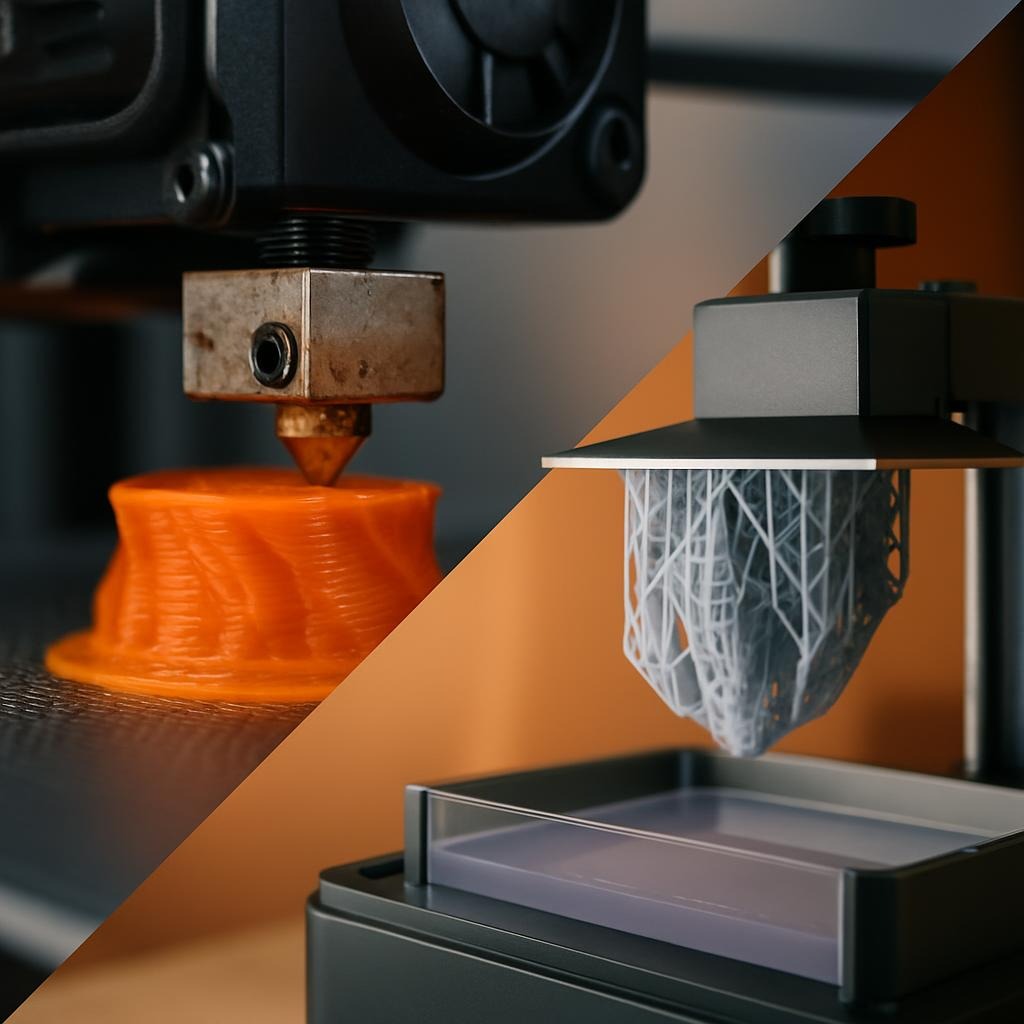

FDM Filament Printing
Fast quality prints for decorative, functional & prototypes, in a wide range of materials & colours

SLA Resin Printing
High quality prints offering smooth surface finishes and high resolution for detailed and intricate designs
| Resin 3D Printing | FDM 3D Printing | |
|---|---|---|
| Durability | Can be brittle (tough resin offers better durability) | Strong prints, but with visible layer lines. |
| Print Quality | High resolution, smooth surfaces, perfect for detailed prints. | Visible layer lines, lower resolution. |
| Materials | Uses liquid resins, requires washing and curing. | Uses thermoplastics, less post-processing needed. |
| Speed | Slower due to curing each layer and post-processing. | Generally faster for larger prints |
| Cost | More expensive. | Budget-friendly. |
Our Printing Materials
We offer a wide range of filament & resin materials & colours to our customer requirements
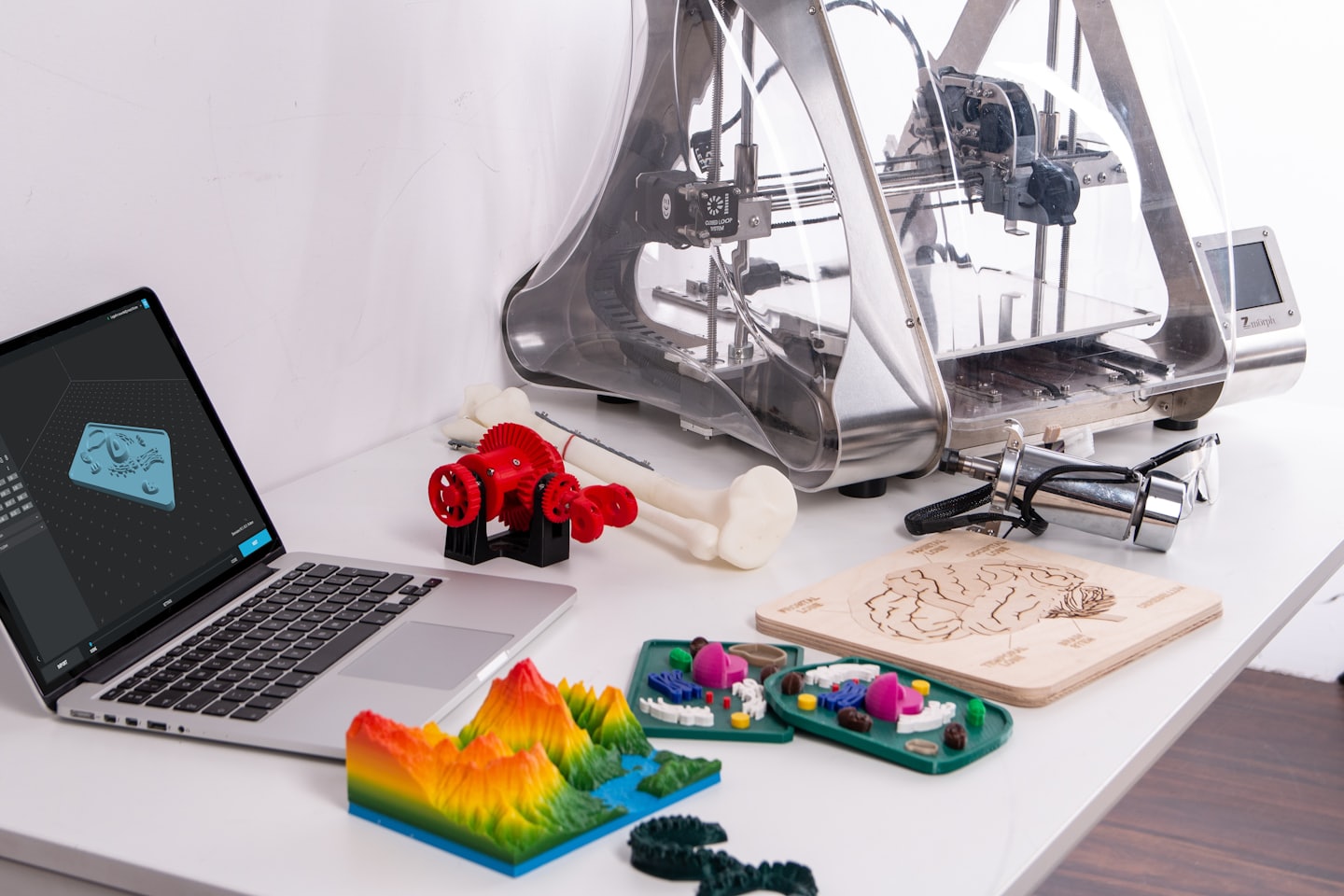
High Quality Resins
- General Purpose
- Impact Resistant
- Temperature Resistant
- High Resolution
- Flexible
- Transparent
- ABS Like
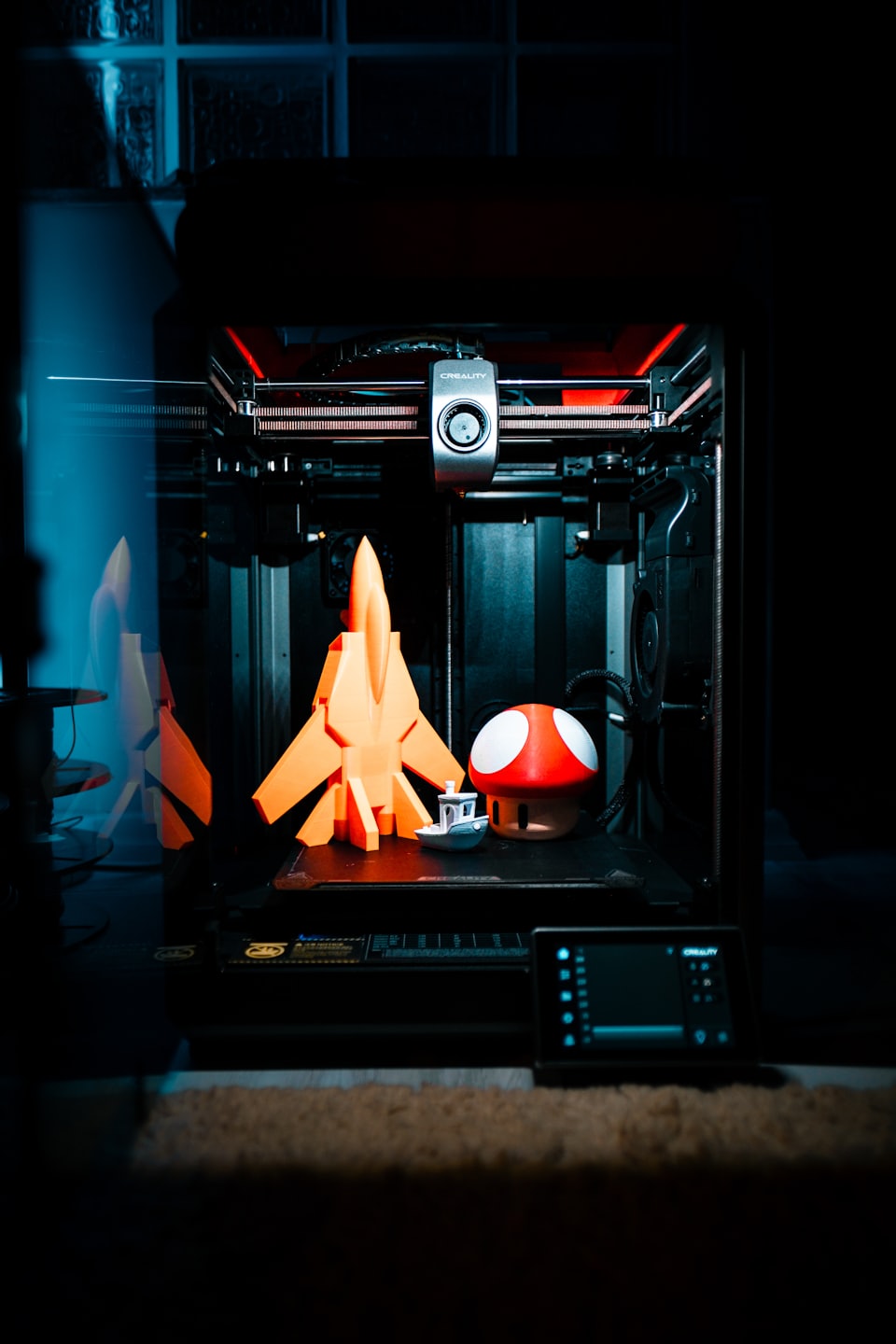
High Quality Filaments
- PLA (incl. Silk, Matte)
- PETG (incl. Translucent)
- TPU
- Silicon (coming soon)
- ABS, ASA & HIPS
- PP, PC & Nylon
- Fibre Reinforced
| Filament | Pros | Cons |
|---|---|---|
| PLA | cheap & widest range of colours. great for decorative items | brittle & poor heat resistance. mot for items likely to receive impacts or high temperatures |
| PETG | chemically resistant & waterproof, better impact and temp resistance than PLA. Great for containers | less colours than PLA, and not as strong as advanced & engineering materials. Avoid very high loads and temperatures |
| TPU | Flexible product ideal for seals, gripping surfaces and wearables. great impact resistance | slow and expensive to print, and has low strength and stiffness |
| ABS | strong, rigid and temperature resistant. Great for functional items such as brackets & structures | more expensive, limited colours and should avoid direct sunlight exposure |
| ASA | similar to ABS but also has UV resistance. great for outdoor items | expensive & very limited colours |
| PC, PP & PA | very strong and temperature resistant. ideal for functional engineering parts | very expensive and typically limited to black and/or white |
| Fibre Reinforced | High strength of the primary material, but with added benefits such as low weight. great for drones and vehicles | highly expensive and limited to black and/or white |
For further details on the properties of the different material types, take a look at these informative links on our material suppliers websites.
Our Printer Capabilities
We operate a variety of high quality printer brands & models to offer you the widest range of printing options
Printer Build Dimensions
all printer dimensions are displayed in millimetres and are shown in length x width x height format
minimum layer heights are displayed in millimetres for the applicable products on each printer size
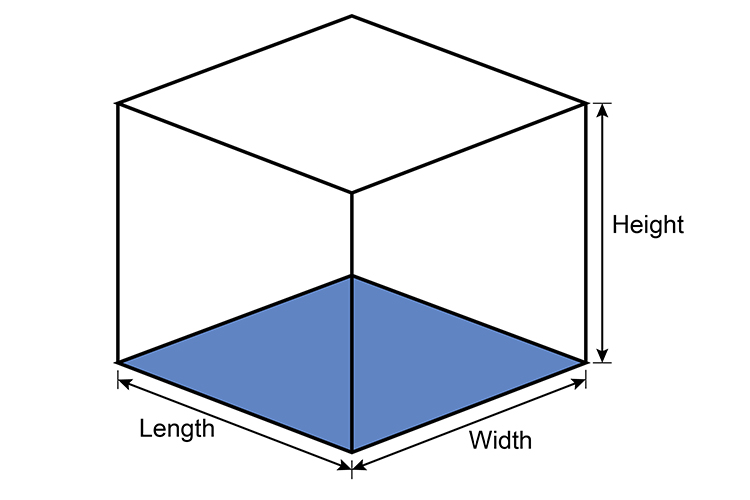
| Printer LxWxH | Layer Heights | Resins | PLA & PETG | ABS & ASA | Flexible | Engineering |
|---|---|---|---|---|---|---|
| 298 x 164 x 300 | 0.05 – 0.20 mm | X | ||||
| 250 x 250 x 250 | 0.12 – 0.28 mm | X | X | |||
| 250 x 250 x 1250 | 0.12 – 0.28 mm | X | ||||
| 350 x 350 x 350 | 0.12 – 0.28 mm | X | X | |||
| 360 x 360 x 360 | 0.12 – 0.28 mm | X | ||||
| 420 x 420 x 500 | 0.12 – 0.28 mm | X | ||||
| 600 x 600 x 600 | 0.20 – 0.40 mm | coming soon |
Choosing a Layer Heights & Infills
When printing models it is important to select an appropriate layer height & infills, as this can impact the strength, weight, quality and cost of your items
Layers Heights
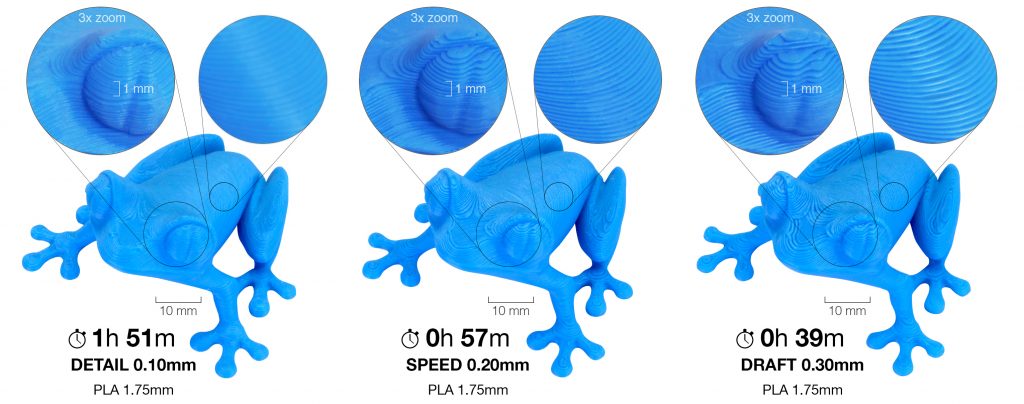
The height of the printed layers determine how many layers are needed to print the item, and hence the time to print the item. The higher the layer height, the quicker and cheaper it is to print, however larger layer lines become more visible. see the example below showing 3 different layer heights.
Infills
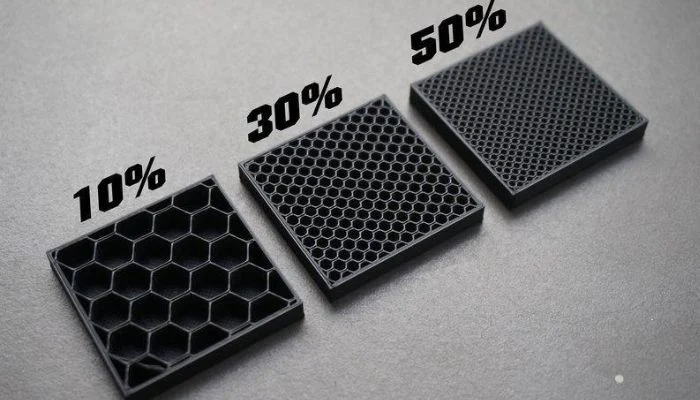
The infill controls the volume of material used to create the structure of the printed items. The lower the infill %, the less material is used during printing, hence lower costs, however higher infills are stronger and heavier which may be desirable for functional & engineering items.